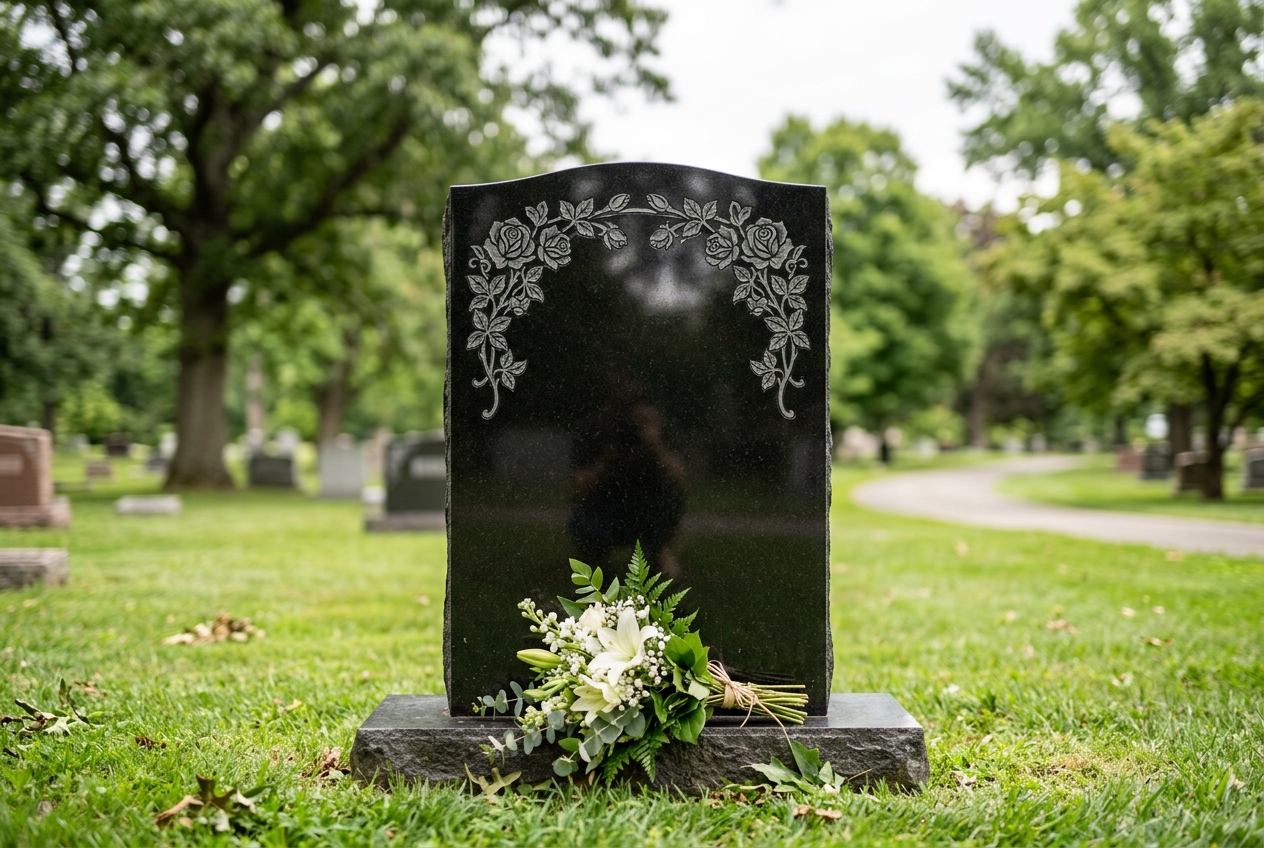
When faced with the profound task of memorializing a loved one, navigating the options for a lasting tribute can feel overwhelming. A memorial monument serves as a permanent symbol of remembrance, a place for reflection, and a tangible connection to those we hold dear. This guide aims to answer common questions about memorial monuments, helping you understand the choices available and the process involved in creating a meaningful tribute.
What is a Memorial Monument?
At its core, a memorial monument is a permanent structure erected to commemorate an individual, a family, or an event. Most commonly, it marks a burial plot or serves as a designated place of remembrance in a cemetery or memorial garden. These monuments come in various forms, from traditional headstones to elaborate structures, all designed to honor and preserve memories for generations to come.
Types of Memorial Monuments
The world of memorialization offers a diverse range of monument styles, each with its unique aesthetic and purpose. Understanding these types can help you envision the perfect tribute.
Upright Headstones
Upright headstones are perhaps the most recognizable form of memorial. These monuments stand vertically, typically consisting of a die (the upright tablet) and a base. They offer ample space for inscriptions, artwork, and personal touches, making them a popular choice for expressing a unique life story. Their prominence ensures visibility and a strong presence in the cemetery landscape.
Flat Markers
Flat markers, also known as flush markers, lie level with the ground. They are a discreet and often more economical option, blending seamlessly with the surrounding landscape. Despite their modest profile, flat markers https://charlotte-home-pros.yousher.com/choosing-a-headstone-in-rock-hill-sc-a-compassionate-guide can still be highly personalized with engravings, allowing for a touching and respectful tribute that complements the natural environment of the cemetery.
Slant Markers
Slant markers offer a middle ground between flat and upright monuments. They feature a face that is cut at an angle, usually around 45 degrees, which then slants towards the ground. This design provides a larger inscription area than a flat marker while maintaining a lower profile than an upright headstone. The slanting surface can enhance readability and offer a distinct visual appeal.
Benches and Specialty Memorials
For those seeking a more unique or functional memorial, options like memorial benches provide a beautiful and contemplative space. These can be customized with inscriptions and designs, offering visitors a place to sit and reflect. Other specialty memorials might include boulders, statues, or custom-designed structures that perfectly encapsulate the spirit of the departed.
Cremation Memorials
With the increasing popularity of cremation, specialized cremation memorials have become more common. These can range from columbarium niches that house urns to custom-designed monuments with integrated urn vaults. They provide a dedicated, permanent place for cremated remains, offering families a focal point for remembrance.
Materials Used for Monuments
The durability and aesthetic of a memorial monument largely depend on the material used. The most common choices are renowned for their longevity and beauty.
Granite
Granite is the most popular material for memorial monuments due to its exceptional durability, resistance to weathering, and wide range of available colors and patterns. Its strength ensures that inscriptions and artwork remain clear for centuries, making it an ideal choice for a lasting tribute. Gaulden Monuments frequently works with high-quality granite to ensure enduring beauty.
Bronze
Bronze is another timeless material, often used for flat markers or as an accent on granite monuments. Known for its rich, warm patina that develops over time, bronze offers a classic and dignified appearance. It is highly durable and allows for intricate detailing, making it a beautiful choice for conveying personalized messages and imagery.
Customization Options: Personalizing Your Tribute
A memorial monument is a canvas for expressing love and remembrance. Customization allows families to create a unique tribute that truly reflects the individual's life and legacy.
Engravings and Etchings
These are fundamental to personalization. Engravings carve text and simple designs into the stone, while etchings create detailed images, portraits, or scenes on polished surfaces. Both methods allow for names, dates, epitaphs, and symbols that tell a personal story.
Portraits and Imagery
Many families choose to include etched portraits, photographs, or symbolic imagery that held special meaning to their loved one. From landscapes to hobbies, these visual elements add a deeply personal dimension to the monument.
Vases and Accessories
Permanent vases, often made of granite or bronze, can be integrated into the monument for holding flowers. Other accessories, like ceramic photos or bronze emblems, can further enhance the design and personal touch of the memorial.
The Process of Creating a Memorial
Creating a monument is a collaborative journey that typically involves several steps, ensuring the final product meets your vision.
It usually begins with a consultation to discuss your needs, preferences, and budget. Design specialists then create proofs based on your input, allowing for revisions until the design is perfect. Once approved, skilled artisans meticulously craft the monument, followed by professional installation in the cemetery. This careful process ensures a high-quality, lasting tribute.
Understanding the Cost of a Memorial Monument
The cost of a memorial monument varies widely depending on several factors. These include the size and type of the monument, the chosen material (e.g., granite color, bronze), the complexity of the design and engravings, and any accessories like vases or ceramic photos. Additionally, cemetery fees for installation and perpetual care can also be a factor. Most monument providers, including Gaulden Monuments, offer transparent pricing and work with families to find options that fit their budget without compromising on quality or meaningful design.
Care and Maintenance for Your Monument
Memorial monuments are designed for longevity, but occasional care can help preserve their beauty. Most granite and bronze monuments require minimal maintenance, primarily light cleaning with water and a soft brush to remove dirt or environmental buildup. Avoid harsh chemicals, which can damage the finish. Proper care ensures the monument remains a pristine place of remembrance for generations.
Choosing the Right Partner for Your Memorial Needs
Selecting a monument provider is an important decision. Look for a team that demonstrates compassion, expertise, and a commitment to quality. A reputable provider will guide you through every step, offering clear communication, thoughtful design assistance, and meticulous craftsmanship. They should respect your wishes and help you create a monument that truly honors your loved one's memory with dignity and artistry.
Creating a memorial monument is a profound act of love and remembrance. We hope this FAQ has provided clarity and comfort as you consider these important decisions. Our team understands the significance of this journey and is here to support you in crafting a timeless tribute.